3D printing vs 2D methods: why the manufacturing process matters
Why 3D-printed models give a better fit and more predictable treatment than manual thermoforming.
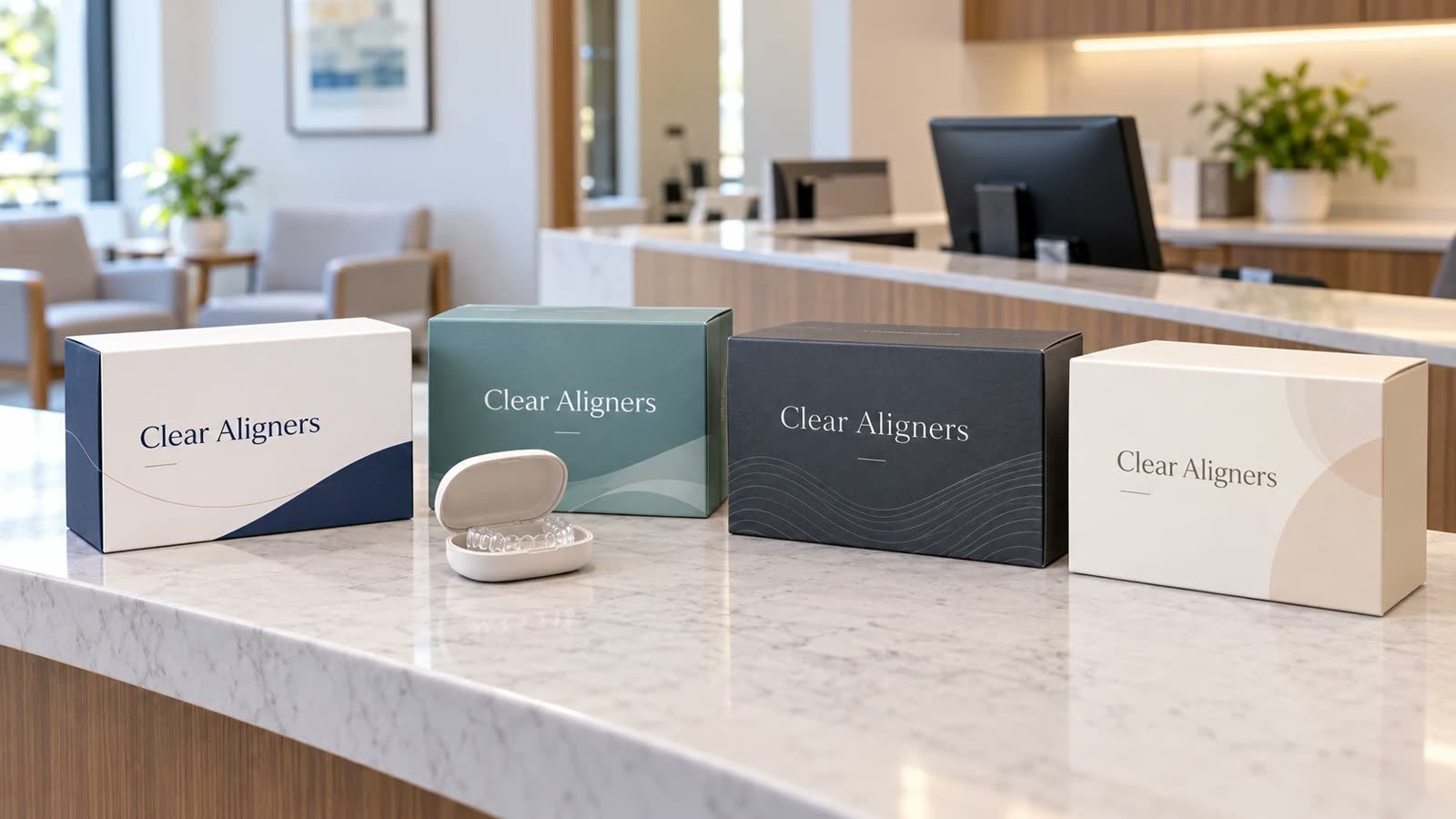
Clear aligners have changed orthodontic treatment, and the number of brands offering them keeps growing. Each one promises better technology and better outcomes, but not every aligner meets the standards effective treatment needs. Choosing the right brand has become one of the more important decisions a practice makes.
This guide covers the challenges dentists face when comparing clear aligner brands, the quality markers worth checking, and how an independent consultancy can help you decide with confidence.
Over the past decade, advances in digital scanning, 3D printing and materials have brought a wave of new aligner systems to market. Alongside established names, dozens of newer brands now compete for practices, from global manufacturers to regional labs. Patients are better informed too: many arrive having compared clear aligners vs Invisalign, or clear aligners vs braces, and expect clear answers.
Quality is what separates these options. A well-made aligner delivers the planned movement and predictable results. A poorly made one leads to tracking problems, refinements and frustrated patients.
With so many brands promoting their own features, it is hard to tell which ones deliver on their promises. Marketing material alone rarely gives you a fair comparison.
Many manufacturers state that their aligners are FDA approved, CE and ISO certified, or made with advanced 3D printing. Some of these claims are exaggerated or untrue. Without verification, a practice can end up with products that put patient care at risk.
Not all production methods are equal. Aligners made from 3D-printed models are more precise and consistent than those made by hand, a process sometimes called 2D production. That difference shows up in fit and in treatment outcomes. Read more about 3D vs 2D manufacturing.
Cost and availability vary widely from country to country. In markets such as Pakistan, for example, practices often weigh the price of clear aligners against quality, and look for local brands that still meet international standards.
Researching brands properly means reading technical data, checking certificates and reviewing results. For a busy practice, that time is hard to find.
Before comparing brands on price or features, check these essentials:
Our certification checklist explains what each standard covers and how to verify it with a supplier.
Verifying all of this takes expertise and industry knowledge that not every practice has in-house. An independent aligner consultancy can do that work for you.
We track the aligner brands available, from global names to regional options, and keep up with industry trends and regulatory changes, so our recommendations reflect current information.
We check each brand's certifications and manufacturing process, including whether claims about FDA clearance, CE and ISO certification and 3D printing are genuine. We have uncovered brands that claim 3D printing they don't use.
Every practice has its own patients and treatment approach. We match you with aligner brands that fit your goals and standards, whether you are adding aligners for the first time or replacing a brand that isn't working.
The aligner market keeps changing. We keep you informed about new technology, regulation and best practice, and with Plan Check we can review each treatment plan before you approve it.
Questions about a specific brand? Ask us. We evaluate brand queries free of charge.
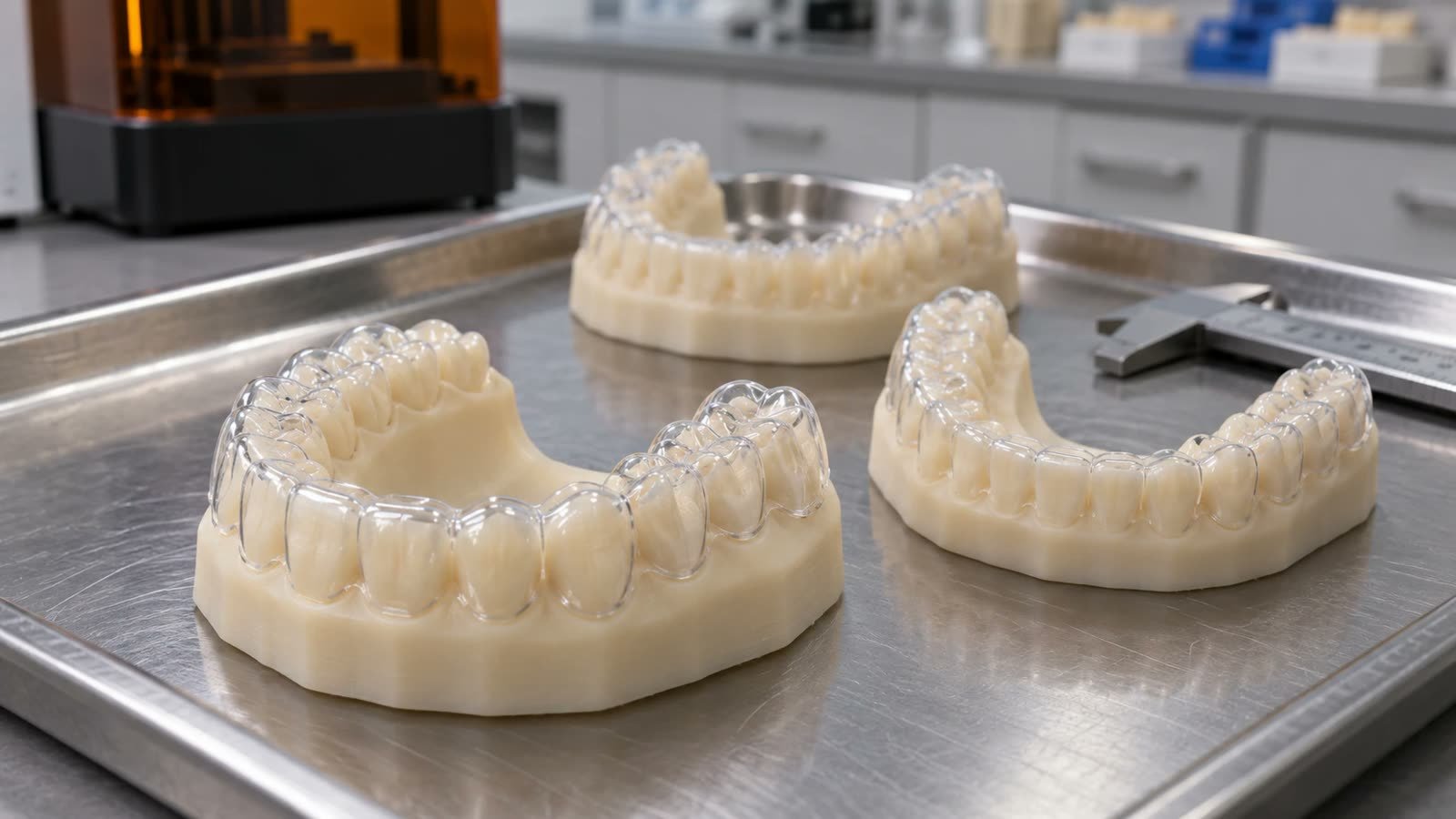
Why 3D-printed models give a better fit and more predictable treatment than manual thermoforming.
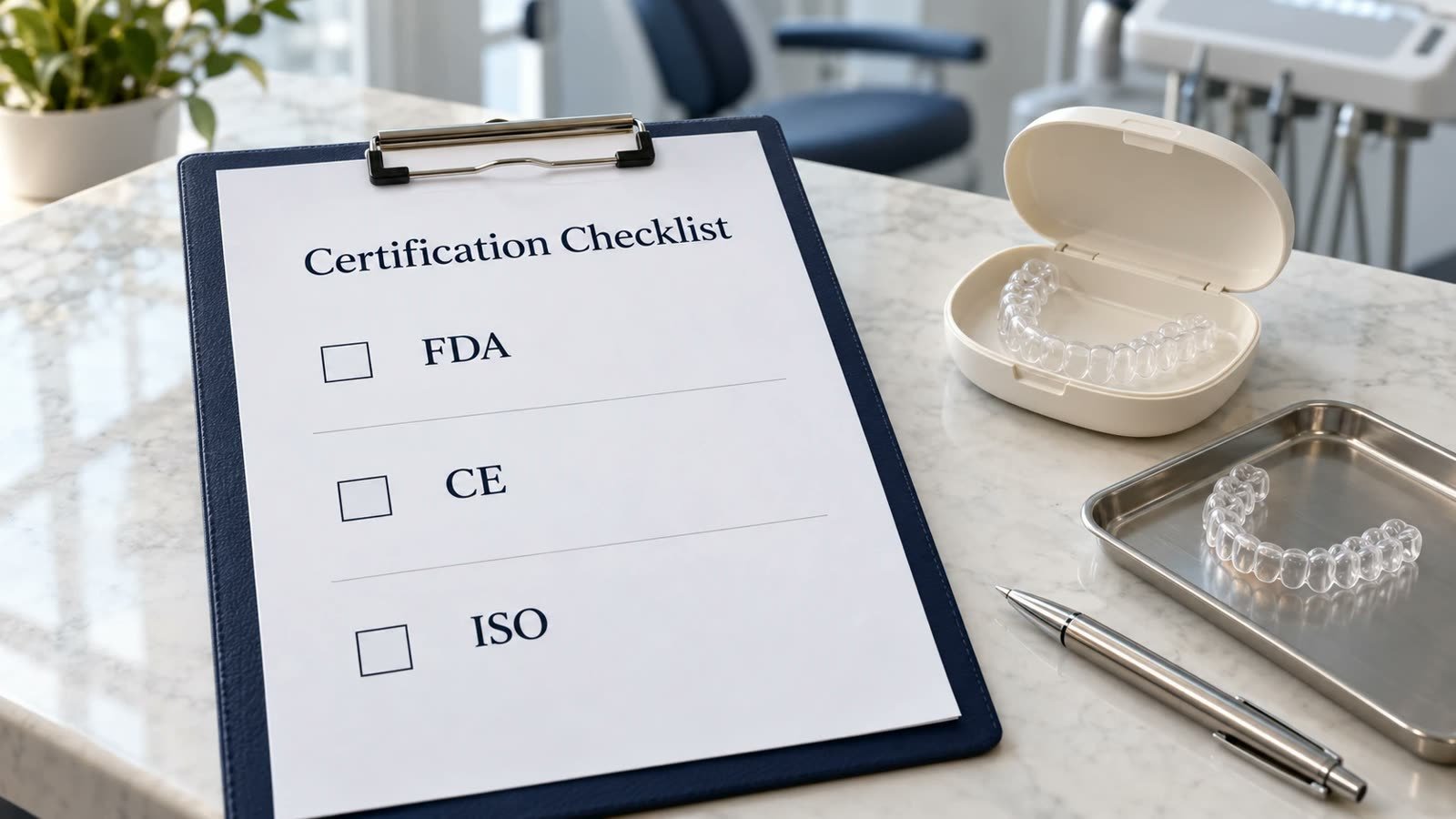
What each standard covers, how to verify it, and a quick-check protocol your team can use with any supplier.